A few years ago, a close friend called me, frustrated and embarrassed.
“I’m so mad at myself,” he said. “I thought I was so vigilant about scams.”
“Well, you didn’t know this would be a scam,” I said, “besides, these people are professionals at this, and make it sound so believable that any parent can fall for this trap.”
What happened to him is something I’ve seen variations of throughout my 25+ years working in fashion and model photography, and it’s become more sophisticated every year.
He had taken his seven-year-old daughter to a large-scale open casting event, which had been heavily advertised on local radio. The hosts presented themselves as talent scouts searching for fresh faces for a major children’s entertainment network. The event was held over three days, with hundreds of families cycling through in different sessions. The energy was electric. The promise was enormous.
When his daughter’s photos were reviewed, snapshots he’d submitted beforehand, which were not professionally taken, he was told she had been selected. Out of all the children there, only a handful had made the cut. It felt like winning something. He was told he needed to act that day and pay $10,000 to secure her placement and move forward.
He paid. And two months later, when he returned to follow up, the office was no longer there. No forwarding address. No contact number. No trace.
This is one of many stories I’ve heard over 25 years as a working fashion and model photographer. Every year, aspiring models and their families enter this industry with genuine hope, and every year, scammers position themselves directly in the path of that hope.
My resolution for 2026 is straightforward: I want every aspiring model and every parent researching this industry to know exactly what these schemes look like before they encounter one.
The Most Common Modeling Scams—And How They Actually Work
In my experience, almost all fake agencies and scouts follow predictable patterns. Once you know what to look for, they become far easier to identify.
- The Large-Scale Casting Event Scam
This is the scheme my friend encountered. A company, often claiming affiliation with a recognizable entertainment brand, advertises widely, particularly on the radio, and hosts multi-day open casting events in major cities. Hundreds of families attend across multiple sessions, creating an atmosphere of legitimacy and scale.
Parents are asked to submit informal photos of their children beforehand—not professional headshots or digitals, just regular snapshots. At the event, nearly everyone is told their child has been selected. The framing is deliberate: out of so many children, yours was chosen. That manufactured scarcity creates pressure to act immediately. The fee, often thousands of dollars, must be paid on the spot to secure the opportunity. By the time families try to follow up, the company has moved on to the next city.
2. The Model Scout or Management Agency Scam
This is a different, more personal scheme that targets individual models rather than families en masse. A supposed scout or management agency contacts you, sometimes through social media, sometimes by phone, claiming they saw your photos and believe you have potential. They invite you in for what sounds like an audition, asking you to bring outfit changes.
What follows is an in-house photography session with an inexperienced photographer. Afterward, you’re told your images are strong, that the agency can develop your career, build your online presence, and place you with legitimate agencies, but all of these services come at a cost. The photos, the website, the “placement fees” – you pay for everything upfront. The promises are large. The results, when they materialize at all, rarely match what was described.
3. The Upfront Fees Scheme
This is the most straightforward and most common version of modeling fraud. A fake agent expresses enthusiasm about your look or your photos, then requests payment — framed as a signing fee, an admin fee, a membership, or a mandatory photography package — before any work begins.
The principle to remember here is simple: legitimate modeling agencies earn money when you work, not when you join. A real agency takes a commission from your bookings. They have no reason to charge you to get started.
4. The Fake Contract Trap
Some scams present themselves with official-looking paperwork—contracts that appear professional but don’t contain any verifiable client names or business addresses; there are vague job descriptions, and fees that must be paid immediately. The urgency is always engineered. Scammers don’t want you to take the document home, read it slowly, or show it to anyone else.
5. The Nonexistent Agency
An agency with no discoverable web presence, no registered business address, no client list, and no verifiable history. The social media profiles may exist, but feel hollow – stock images, recent creation dates, no genuine engagement. These setups exist only long enough to collect money before disappearing.
Five Ways to Protect Yourself Before You Trust Anyone
- Verify their existence independently
Search for the agency or scout before responding to any communication. A legitimate agency will have a real website, active and established social media, a listed physical address, and a registered business number. Real agencies want to be found. Scammers rely on the fact that most people don’t check.
2. Study their client and model history
Established agencies display who they’ve worked with — recognizable brands, signed models, booked campaigns. If the photos on their website appear on other agencies’ sites (a reverse image search takes seconds), that’s a clear signal. If they can’t name a single verifiable client, take that seriously.
3. Never pay to join, sign, or audition
No legitimate agency charges signing fees, membership fees, admin fees, or requires you to purchase a photography package through them as a condition of representation. If money is requested before work begins, stop the conversation.
4. Read every contract slowly—and take it with you
A trustworthy agency will give you time to review its paperwork. Take the contract home. Read every line. Ask questions about anything unclear. If same-day signatures are required, if details are withheld, or if the terms don’t hold up under basic scrutiny, that pressure itself is your answer.
5. Conduct due diligence before committing to anything
Check Better Business Bureau listings, Google reviews, and any available background information on the agency’s founders or principals. If something feels off, trust that instinct. It’s right more often than people give it credit for.
A Note on Photography and Portfolio Development
One thing worth addressing directly: not every photographer who offers modeling portfolio packages has a genuine understanding of what agencies actually look for. Building a portfolio that serves a real modeling career requires more than technical skill; it requires knowing which modeling category suits your look, what a specific type of agency needs to see, how to build looks that demonstrate real range, and how to shoot digitals that meet submission standards.
When you’re selecting a photographer for portfolio work, ask about their experience with agency submissions. Ask to see the portfolio work they’ve produced for working models. Ask whether they understand the difference between commercial, fashion, and beauty modeling, because those categories have meaningfully different visual requirements. A photographer who can answer those questions specifically and confidently is a very different proposition from one who simply offers a package.
What to do If You Encounter a Scammer?
- Stop all contact Immediately
Don’t send additional photos, don’t share personal information, don’t sign anything, and don’t make any further payments.
2. Document Everything
Save screenshots, messages, email threads, contract copies, usernames, and phone numbers. This record matters if you report what happened.
3. Report it
File complaints with the FTC at reportfraud.ftc.gov, your state’s consumer protection office, local law enforcement, and the platform where contact was made. Each report makes it harder for these operations to continue.
Visit here for a helpful resource on what to do after you’ve been scammed.
4. Tell other Models
Share your experience — online, in modeling communities, in person. Fake opportunities spread quickly on social media, and so does accurate information about how they operate. When you speak up, you make it harder for the next person to be caught the same way.
If you’ve had an experience with a scam that isn’t described here, whether a tactic we’ve missed or a variation on something above, share it in the comments below. This kind of collective knowledge is genuinely protective, and every detail helps.
Building Your Portfolio the Right Way
If you’ve encountered a scam and feel discouraged, that reaction is completely understandable. But it doesn’t have to be the end of the path.
The modeling industry has real opportunities for models who approach it with the right knowledge, the right materials, and the right support. A legitimate start means working with experienced professionals who understand what agencies look for, who won’t pressure you, and who can help you build a portfolio that actually serves your career rather than simply existing.
That start is available to you. It just requires knowing what to look for, and now you do.
Working With an Experienced Model Portfolio Photographer
Aspiring models in cities like Philadelphia, New York, and beyond increasingly look for photographers who combine genuine editorial and fashion experience with a clear understanding of how agencies evaluate new talent. That combination – industry knowledge alongside photographic skill is what separates portfolio work that opens doors from portfolio work that simply looks attractive.
Experience with real agency submissions, editorial projects, and portfolio development across modeling categories makes a meaningful difference in how your images are received by the people who matter.
FAQs
- How can I quickly tell if a modeling agency is fake?
Look for upfront fees, vague or high-pressure contracts, no verifiable physical address, and social media profiles that can’t be independently confirmed. If they ask you to pay before you work, that alone is sufficient reason to walk away.
2. Do real agencies ever ask new models to pay?
No. A legitimate agency earns a commission from your paid bookings, typically between 10 and 20 percent. They have no financial reason to charge you to join, sign, or audition.
3. What should I do if I have already paid a scammer?
Stop all contact immediately. Document every piece of communication you have. Report the incident to the FTC at reportfraud.ftc.gov and to local law enforcement. If payment was made by credit card, contact your card issuer about a chargeback.
4. How do I find a legitimate modeling agency?
Start by researching agencies with verified websites, physical offices in major markets, and a visible roster of working models and client campaigns. Industry directories and established fashion week organizations publish legitimate agency listings. Cross-reference any agency you’re considering against public business registrations and third-party review platforms before making contact.
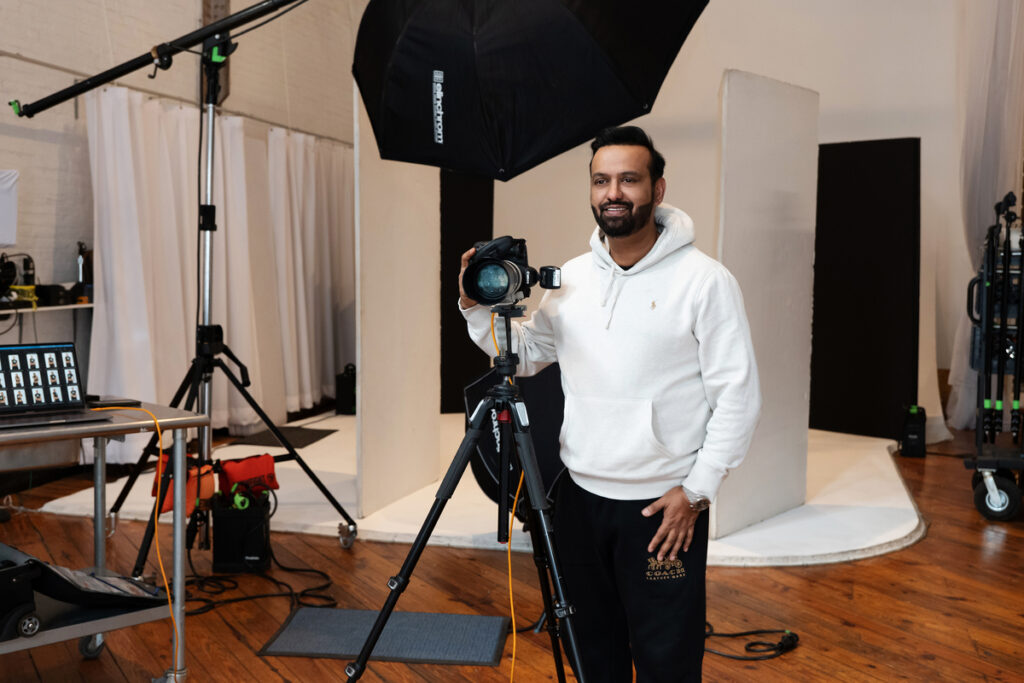
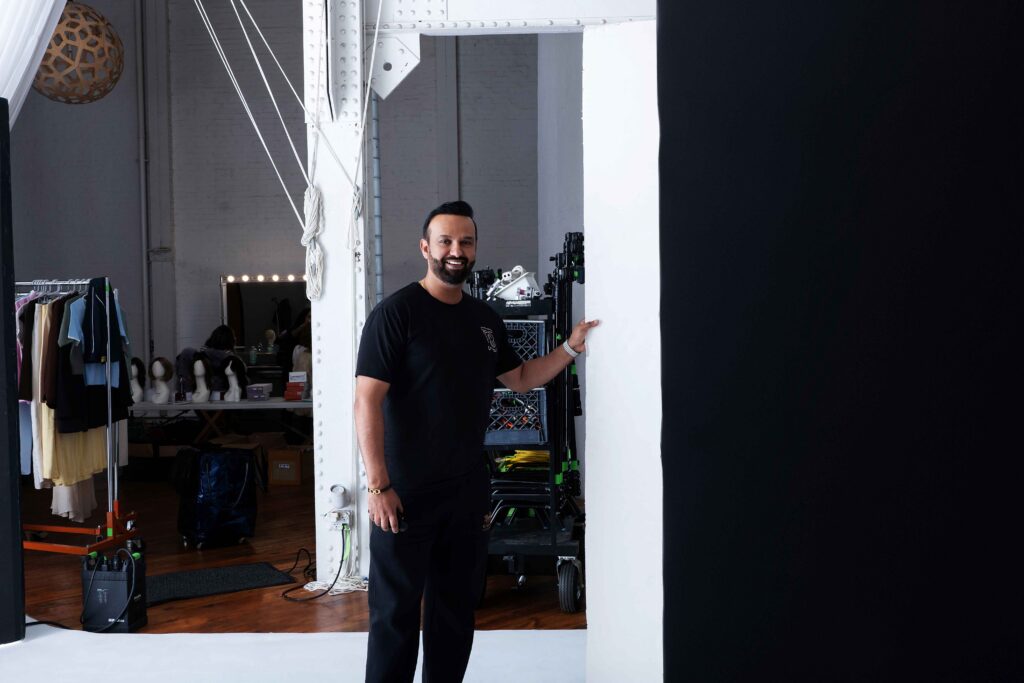
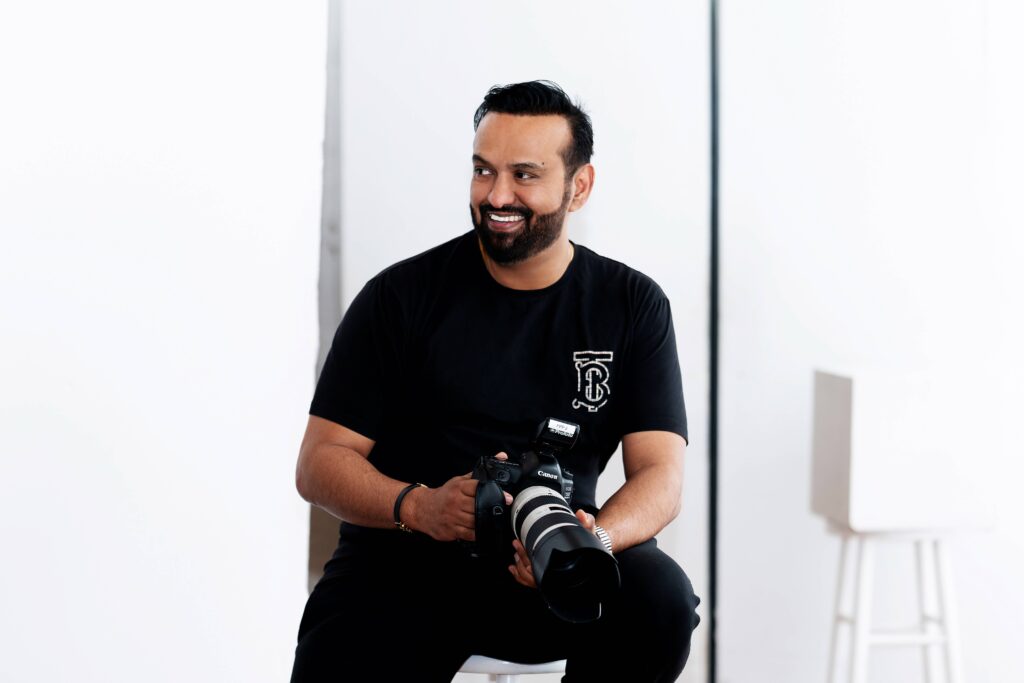
Vikrant Tunious is a fashion and portrait photographer based in Fishtown, Philadelphia, with over 25 years of experience working across editorial, commercial, and model portfolio photography.
Inspired by: